



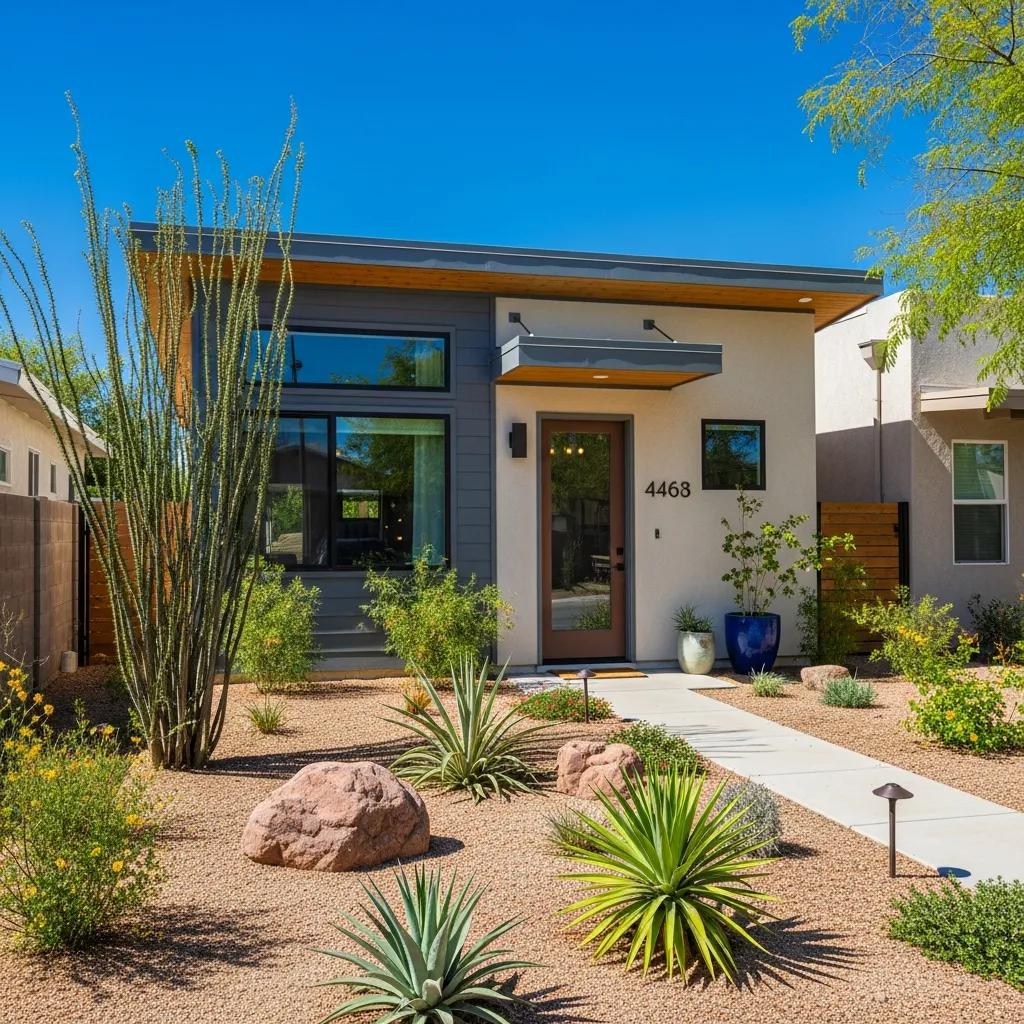
Transform Your Space with Tucson’s Top ADU Builder
ADU Builder in Tucson, AZ: Expert Accessory Dwelling Unit Construction and Remodeling by Unique Remodel LLC

Accessory dwelling units (ADUs) are increasingly popular among Tucson homeowners for their flexibility and potential to enhance property value. This article covers ADU benefits, construction costs, permit requirements, and financing options. With this knowledge, homeowners can make informed decisions about adding an ADU. Unique Remodel LLC specializes in custom ADU construction and remodeling, offering quality craftsmanship and personalized service for Tucson residents.
Key Takeaways
- ADUs enhance property value and provide versatile living solutions in Tucson, AZ.
- They can be detached, attached, or internal, offering flexible housing options.
- Adding an ADU increases property value and offers rental income or multi-generational living space.
- Construction costs in Tucson range from $150,000 to $250,000, influenced by size and materials.
- Understanding permit requirements is crucial for successful ADU construction.
- Unique Remodel LLC assists with navigating permit challenges and local building codes.
- Various financing options, including local grants and state programs, support ADU construction.
- Homeowners must demonstrate income and meet credit requirements to qualify for financing.
What Are Accessory Dwelling Units and How Can They Enhance Your Tucson Property?
ADUs are secondary living units on the same lot as a primary residence. They can be separate structures, conversions of existing space, or additions to the main house. ADUs provide extra living space for relatives, guests, or tenants, enhancing a property's functionality and market value.
Defining ADUs: Types and Uses in Tucson Homes

In Tucson, ADUs are commonly grouped into three types:
- Detached ADUs: Standalone structures separate from the main house, often designed to blend with the existing architecture.
- Attached ADUs: Units physically connected to the primary residence, such as a converted garage or an extension of the home.
- Internal ADUs: Created within the existing structure, such as a basement or attic conversion.
Each ADU type meets different needs—supporting aging relatives, providing private guest quarters, or generating rental income—depending on the homeowner's goals.
Benefits of Adding an ADU: Increased Value and Flexible Living Space
Adding an ADU can increase a property's value and offer flexible use of space. Homeowners commonly benefit from:
- Increased Property Value: Properties with ADUs often sell for more due to the added living space and potential rental income.
- Flexible Living Arrangements: ADUs provide options for multi-generational living, guest accommodations, or rental opportunities, catering to various lifestyle needs.
- Enhanced Property Use: Homeowners can utilize the space for hobbies, home offices, or as a private retreat.
These advantages show how an ADU can be both a practical solution and a strategic investment for homeowners.
How Much Does ADU Construction Cost in Tucson?
ADU construction costs in Tucson vary by size, materials, and design. For a custom ADU, homeowners should expect a range of approximately $150,000 to $250,000, with final costs reflecting project complexity.
Key Factors Influencing ADU Construction Costs in Tucson
Key cost drivers for ADU construction include:
- Size of the ADU: Larger units require more materials and labor, increasing costs.
- Materials Used: The choice of high-quality materials can enhance durability but may also raise expenses.
- Design Choices: Custom designs and unique architectural features can add to the overall cost.
Recognizing these factors helps homeowners set realistic budgets and prioritize design choices that match their financial plan.
Comparing Custom ADU Pricing: Size, Materials, and Design Choices
When comparing custom ADU pricing, homeowners should consider the following:
| Size (sq ft) | Estimated Cost | Key Features |
|---|---|---|
| 400 | $150,000 | Basic finishes, minimal customization |
| 800 | $200,000 | Mid-range materials, some custom features |
| 1,200 | $250,000 | High-end finishes, extensive customization |
The table demonstrates how size and finish level influence total cost, which helps homeowners compare options and make informed decisions.
What Are the Permit Requirements for Building ADUs in Tucson, Arizona?
Constructing an ADU in Tucson requires compliance with local permit regulations. A clear understanding of permitting and zoning rules is essential to avoid delays and ensure the project meets code requirements.
Step-by-Step Tucson ADU Permit Process Explained
The permit process for constructing an ADU typically involves the following steps:
- Pre-Application Consultation: Meet with city officials to discuss your project and understand zoning requirements.
- Submit Plans: Provide detailed architectural plans for review.
- Obtain Permits: Once approved, secure the necessary building permits before construction begins.
Following these steps helps homeowners prepare accurate submissions and move through permitting more efficiently.
Common Permit Challenges and How Unique Remodel LLC Assists Clients
Homeowners can encounter zoning limits, plan revisions, or documentation issues during permitting. Unique Remodel LLC supports clients by:
- Providing expert guidance on local building codes.
- Helping navigate the permit application process.
- Offering solutions to common challenges, ensuring a smoother experience.
That support reduces administrative burden and helps keep projects on schedule.
What Financing Options Are Available for ADU Projects in Tucson?

Financing an ADU is a common concern for homeowners. Several funding options exist to help cover construction expenses, and the right choice depends on individual circumstances.
Further research emphasizes the value of reviewing multiple financing strategies and cost-saving measures when planning an ADU project.
ADU Construction, Cost Reduction, and Financing Options
This review examined ADU construction as a potential solution for senior housing in Honolulu. A qualitative document review assessed publications addressing ADU cost reduction for homeowners building ADUs for senior housing. Four primary themes emerged from the literature: tax breaks, financing options, green building, and shared utilities. The study then conducted a secondary review and analysis of those themes.
An exploration of the use of accessory dwelling units for senior housing in Honolulu, 2023
Local and State Financing Programs for ADU Construction
Homeowners in Tucson can consider a range of financing programs, such as:
- Local Grants: Some municipalities offer grants for ADU construction to promote affordable housing.
- State Programs: Arizona provides financing options for homeowners looking to build ADUs, often with favorable terms.
These programs can increase access to funding and support project feasibility for eligible homeowners.
How to Qualify and Apply for ADU Financing in Arizona
To qualify for financing, homeowners typically need to:
- Demonstrate Income: Provide proof of income to show the ability to repay loans.
- Submit Project Plans: Present detailed plans for the ADU to lenders.
- Meet Credit Requirements: Maintain a good credit score to qualify for favorable loan terms.
Knowing these requirements helps homeowners prepare stronger applications and move more efficiently through the financing process.
For homeowners considering a kitchen upgrade alongside their ADU project, kitchen remodeling can enhance the overall value and appeal of the property.
Additionally, those planning bathroom updates as part of ADU construction should consider bathroom remodeling to create a cohesive, modern living space.
Frequently Asked Questions
What are the zoning regulations for ADUs in Tucson?
Zoning regulations for ADUs in Tucson vary by neighborhood and determine where and how an ADU may be built. Requirements typically cover size, height, setbacks, and placement on the lot. Homeowners should consult Tucson Planning and Development Services to confirm specific rules and ensure plans comply with local regulations to avoid legal issues during construction.
Can I use my ADU for short-term rentals?
Yes. ADUs in Tucson may be used for short-term rentals, but local regulations and licensing requirements apply. Tucson enforces rules on occupancy, registration, and permits for short-term rentals. Confirm local requirements and obtain any necessary permits to avoid fines and ensure compliant operation.
What is the typical timeline for ADU construction in Tucson?
ADU timelines vary with design complexity, permitting, and contractor availability. From initial planning through permitting and construction, projects commonly take six months to more than a year. Allow extra time for permit review, weather delays, and material lead times; careful planning helps reduce unexpected delays.
Are there any tax benefits associated with building an ADU?
Potential tax benefits may be available when building an ADU. Some construction costs can qualify as capital improvements, and rental ADUs may allow deductions for related expenses. Homeowners should consult a tax professional to understand applicable benefits and ensure compliance with tax rules.
How can I ensure my ADU is energy-efficient?
Design and material choices determine an ADU's energy performance. Use energy-efficient appliances, proper insulation, and high-performance windows and doors. Consider renewable options such as solar panels. Working with a contractor experienced in sustainable building will help implement effective energy-saving measures.
What are the maintenance considerations for an ADU?
Maintaining an ADU is similar to caring for a primary residence. Schedule routine inspections for plumbing, electrical systems, and HVAC, and plan regular cleaning and landscaping to preserve appeal—especially for rental units. Set aside a maintenance budget to address repairs promptly and protect the property's value.
```
